Music in Pakistan has always been more than entertainment—it is identity, heritage, and emotion woven into sound. From qawwali and Sufi music to pop, folk, and contemporary fusion, artists have shaped the cultural soul of the country and carried Pakistan’s voice across borders.
To honour exceptional contributions in arts and culture, the Government of Pakistan presents some of its highest civilian awards, including the Hilal e Imtiaz, Nishan e Imtiaz, Sitara e Imtiaz, and Tamgha e Imtiaz. These recognitions celebrate individuals whose work has brought distinction to Pakistan on both national and international levels.
Among the many recipients, several musicians stand out for their remarkable influence on the country’s music industry and cultural legacy.
Artists Who Have Been Honoured
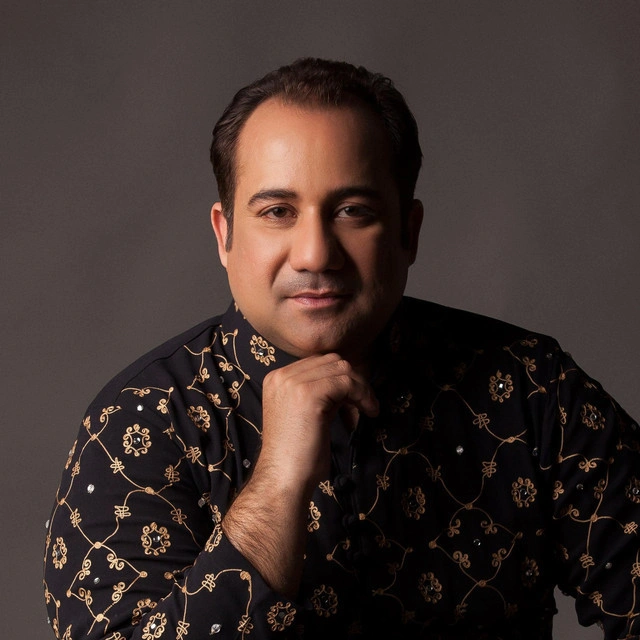

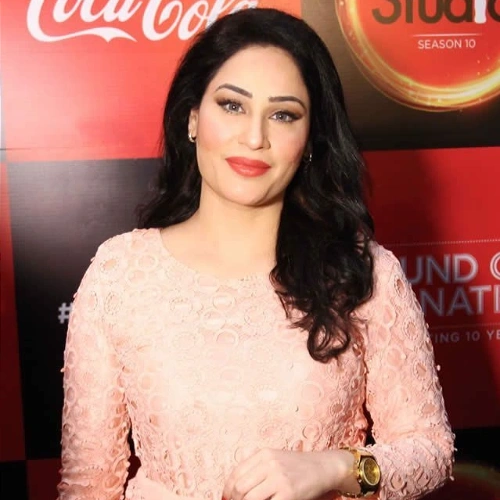
Rahat Fateh Ali Khan — Hilal e Imtiaz
A global ambassador of qawwali and Sufi music, Rahat Fateh Ali Khan has played a major role in taking Pakistani music to international audiences. Known for his powerful vocals and spiritual depth, he has successfully bridged traditional qawwali with contemporary music.
His recognition with the Hilal e Imtiaz reflects not only his musical brilliance but also his role in preserving and modernising a legendary musical tradition.
Rohail Hyatt — Hilal e Imtiaz
Widely known as the pioneer of Pakistan’s modern pop and music production scene, Rohail Hyatt transformed the industry through innovation and experimentation. As a founding member of Vital Signs and later the producer behind Coke Studio Pakistan, he helped redefine how Pakistani music was created and consumed.
His Hilal e Imtiaz honours his contribution to shaping contemporary Pakistani sound and introducing it to newer generations.
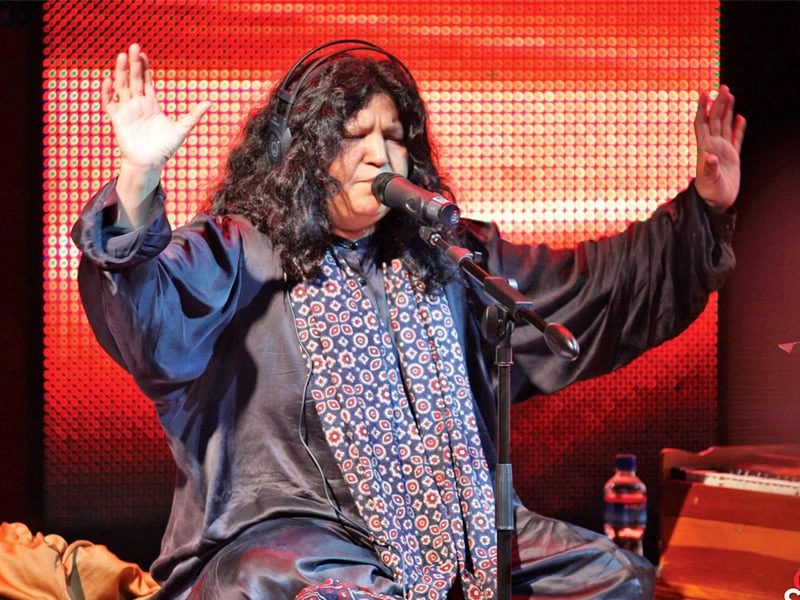
Abida Parveen — Nishan e Imtiaz
Often referred to as the queen of Sufi music, Abida Parveen is one of Pakistan’s most revered musical legends. Her voice carries spiritual intensity, and her performances have made her an icon across South Asia and beyond.
She was awarded the prestigious Nishan-e-Imtiaz, one of the country’s highest civilian honours, recognising her lifelong dedication to music, poetry, and spiritual expression.
Her art is not simply performed; it is felt.
Hadiqa Kiani — Sitara e Imtiaz
A defining voice in Pakistani pop music, Hadiqa Kiani has consistently pushed boundaries with her music, artistry, and social impact. From chart-topping songs to humanitarian work, her influence extends far beyond entertainment.
Her Sitara e Imtiaz celebrates both her artistic achievements and her contribution as a public figure using her platform for meaningful change.
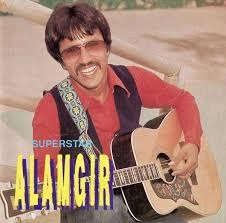
Alamgir — Sitara e Imtiaz
Often referred to as one of the pioneers of Pakistani pop music, Alamgir helped shape the country’s modern music scene during the 1970s and 1980s. His energetic style and memorable songs introduced a fresh sound that inspired future generations of musicians.
His Sitara e Imtiaz recognises his lasting contribution to Pakistan’s pop culture and music industry.
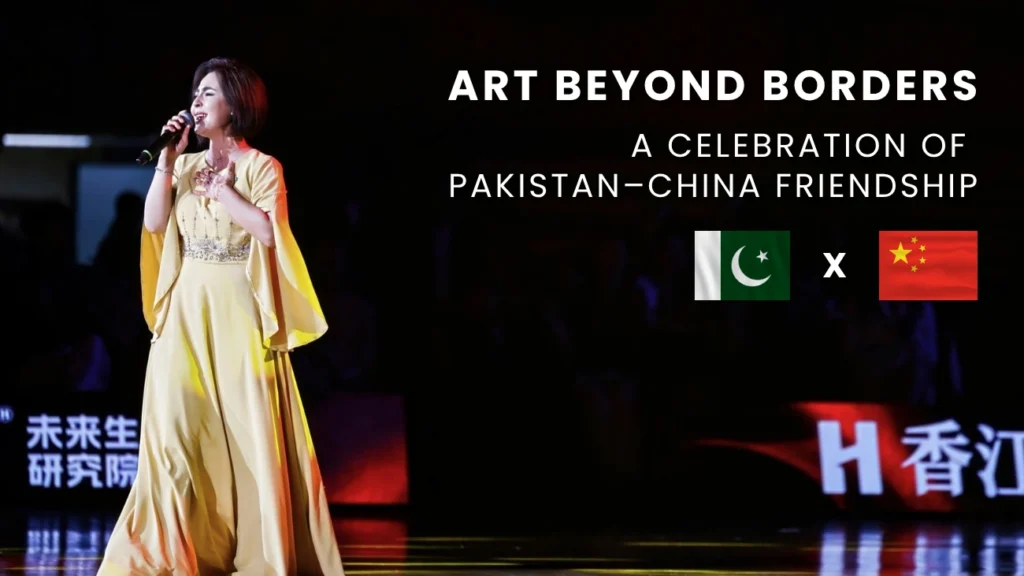
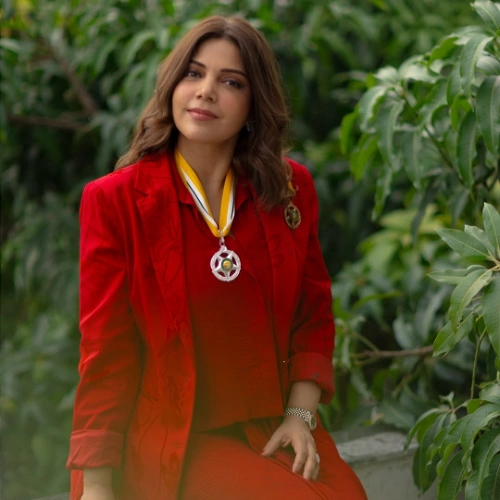
Humaira Arshad — Sitara e Imtiaz
Known for her versatility across folk, pop, and traditional music, Humaira Arshad has remained a respected voice in Pakistan’s entertainment industry for years. Her emotionally rich performances and strong vocal presence earned her recognition nationwide.
Her Sitara e Imtiaz celebrates her contribution to preserving and promoting Pakistani music.
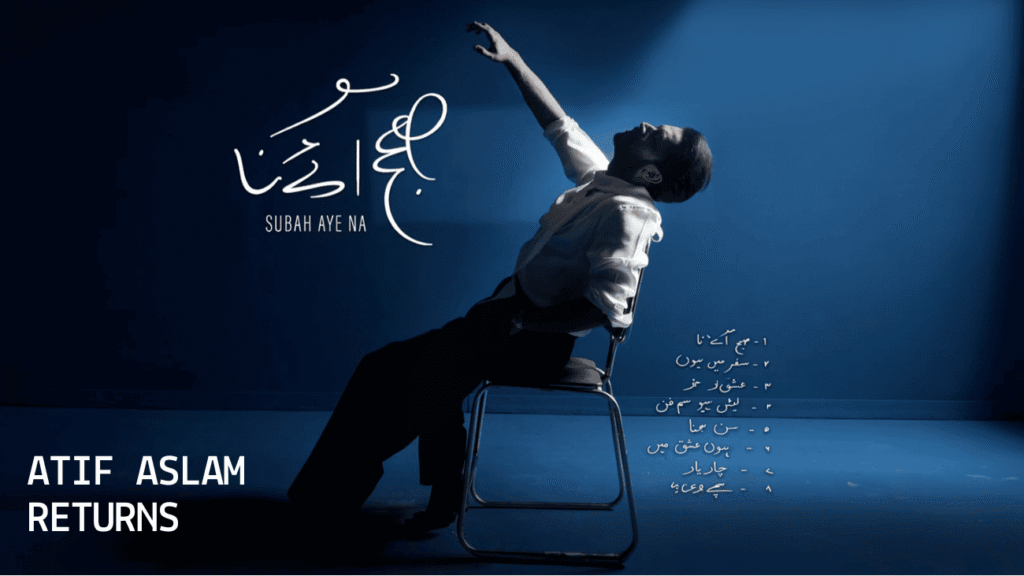
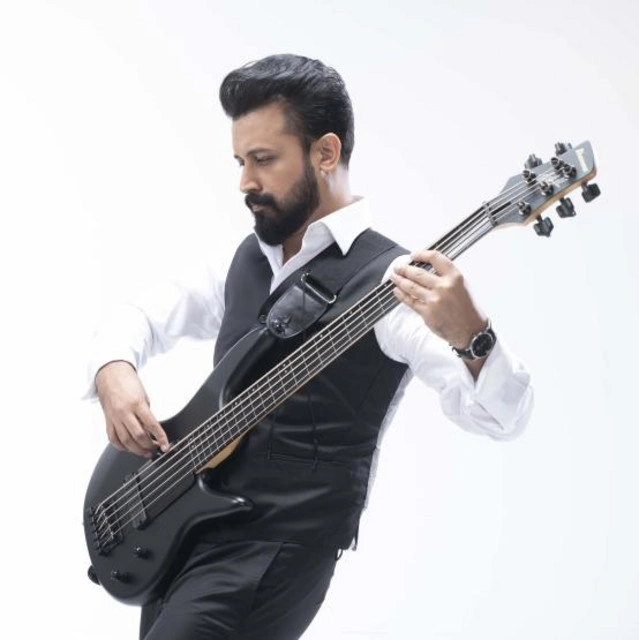
Atif Aslam — Tamgha e Imtiaz
One of Pakistan’s most globally recognised contemporary artists, Atif Aslam, is celebrated for his distinctive voice and genre-blending sound. His music has resonated with audiences worldwide, making him an important cultural ambassador for Pakistan.
He received the Tamgha e Imtiaz for his outstanding contribution to the music industry and his international success.
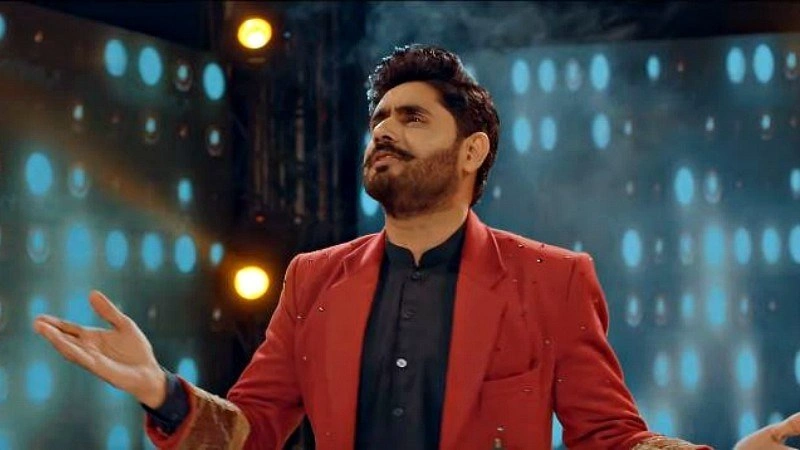
Abrar ul Haq — Tamgha e Imtiaz
Abrar ul Haq became a household name through music that blended Punjabi folk influences with modern pop culture. Known for his energetic performances and socially conscious work, he has remained an influential figure in Pakistan’s entertainment landscape.
His Tamgha e Imtiaz honours both his musical contributions and his efforts beyond the stage.
Why These Awards Matter
Civilian honours like these are more than symbolic—they are cultural statements. They remind us that music is not secondary to national identity; it is central to it.
When musicians are recognised at this level, it validates the power of creative expression. It tells future artists that art matters, that culture deserves preservation, and that a voice can become part of a nation’s legacy.
These awards also ensure that generations to come remember not only the songs, but the people who created them.
Final Thoughts
Pakistan’s music history is filled with voices that shaped memories, movements, and moments. Whether through qawwali, Sufi kalam, pop anthems, or soul-stirring performances, these artists gave the country something timeless.
Honouring them through awards like the Hilal e Imtiaz, Nishan e Imtiaz, Sitara e Imtiaz, and Tamgha e Imtiaz is a reminder that music is not just heard, it is remembered.
Because sometimes, the greatest service to a nation is giving it a soundtrack.